Deteriorated Material:
Removal becomes compulsory when asbestos-containing roofing materials are deteriorating, showing cracks, scaling, or other visible damage that can release hazardous fibres.
Renovation or Repair:
If you are planning roof repairs, extensions, or an asbestos roof replacement, it is the ideal time to safely remove existing asbestos materials to avoid future risks.
What Are the Steps Involved?
1. Certification and Professional Hire
Engage a certified asbestos consultant for assessment, followed by a licensed asbestos abatement company to carry out safe asbestos roof removal in compliance with regulations.
2. Area Preparation
-
Isolate the work area using barrier tape and clear warning signage.
-
Cover all surfaces, including soft furnishings, with heavy-duty plastic sheeting to contain contamination.
-
Lay additional plastic sheeting for waste wrapping and self-decontamination.
3. Material Removal
-
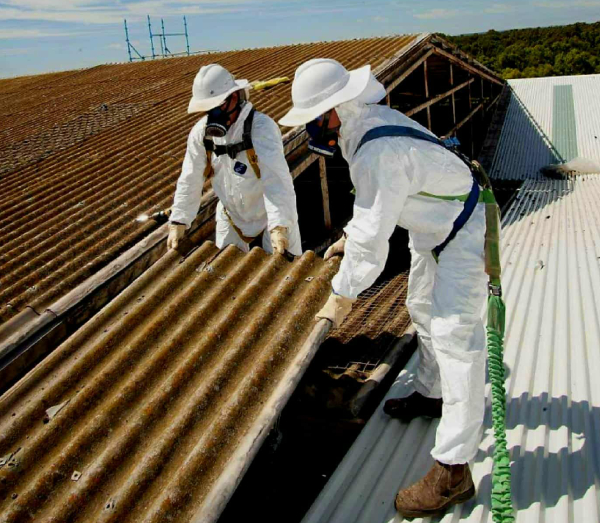
Wear appropriate Personal Protective Equipment (PPE).
-
Lightly mist asbestos sheeting or tiles to keep materials wet and prevent fibre release.
-
Carefully remove materials using suitable tools such as hammers, pincers, or pry bars while continuing to mist.
4. Waste Containment
-
Place removed materials directly onto waste plastic sheeting.
-
Seal the sheeting securely using duct tape.
-
Double-bag all waste in clearly labelled asbestos disposal bags.
5. Site and Personal Decontamination
6. Disposal
-
Legal Compliance: Disposing of asbestos in regular bins, reusing, or recycling it is illegal.
-
Cost Factors: Removal costs vary based on roof size, access conditions, and the need for scaffolding.
-
Professional Certification: Always request valid licensing, certification, and disposal documentation from the asbestos removal company.